Why you should read this article
In this article we provide you with real life examples of what basement leaks look like so that you can recognize the cause of the water in your basement. This knowledge will speed up the process of getting the basement leak repaired if you have a leaking foundation.
 Introduction to basement leaks
Having conducted thousands of basement / foundation inspections over the years, we have concluded that approximately 90% – 95% of the causes of a damp, wet basement are attributable to one or two of the “usual suspects” as illustrated below.
Caution: There are many ways by which water can enter your basement and/or penetrate your foundation; therefore, the waterproofing repair method chosen must address the precise cause of the water in your basement. Without visual confirmation of the actual problem, or without absolute confirmation of the source of the leak using diagnostic equipment, many homeowners pay for basement waterproofing work far in excess of what is actually required, including waterproofing work performed in the wrong location, or basement leak repairs that are not needed because the source of the water in the basement is not attributable to a problem with the foundation at all.
You might also be interested in our companion article on how to recognize basement leaks.
By examining the images below it will become abundantly clear that basement leaks are relatively easy to identify when a leaking foundation wall is exposed, and 99% of the time you will know without question what exactly is responsible for the water in your basement.
Note: If a waterproofing contractor does not show you undeniable evidence of the source of your basement leak, there is a real risk that you will waste your money and/or not address the true cause of the water in your basement.
Where most leaks in the basement come from
Basement Leaks Often Cause Visible Mold on Walls
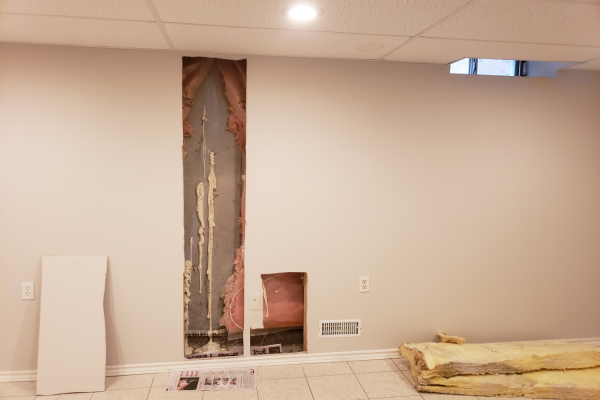
Basement leaks typically leave stains on the foundation walls. When a basement is finished, many basement leaks remain hidden; however, mold on drywall, baseboard discoloration and wet carpets are often the first sign that there is a leak in the basement. Here are some pictures of undeniable mould growth in a finished basement:
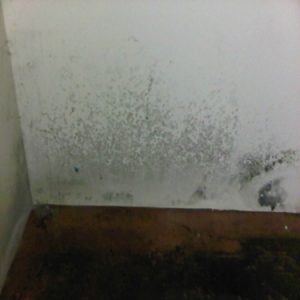
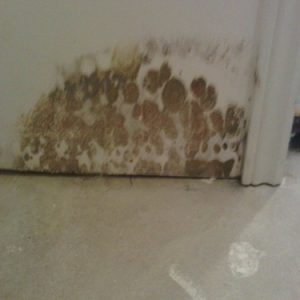
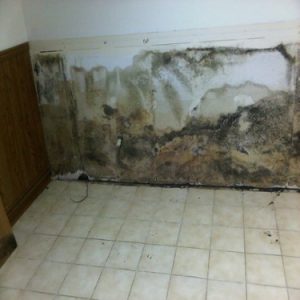
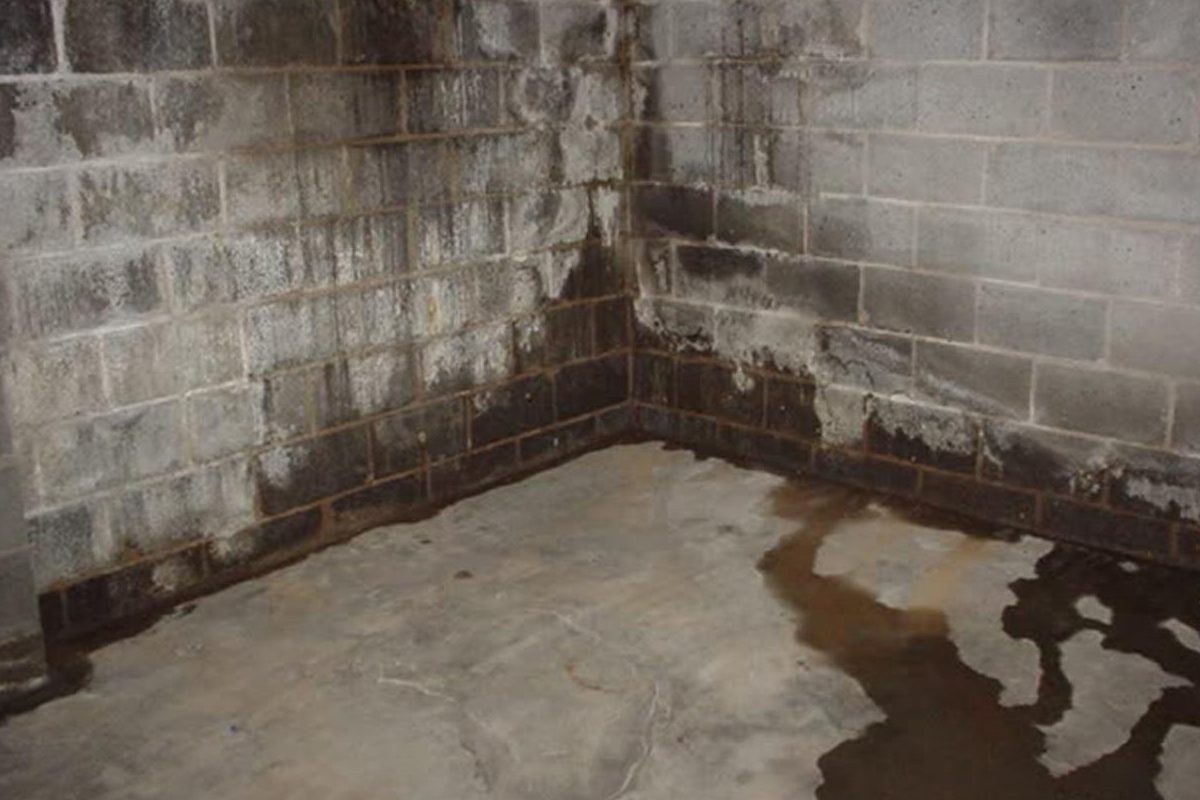
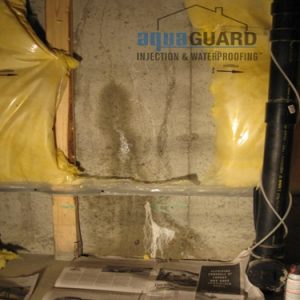
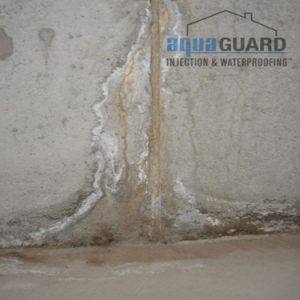
Here is what you can expect to see when the bare foundation walls are exposed:
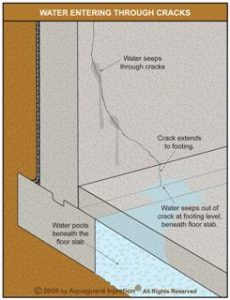
Foundation Leaks from Cracks in Poured Concrete Foundations
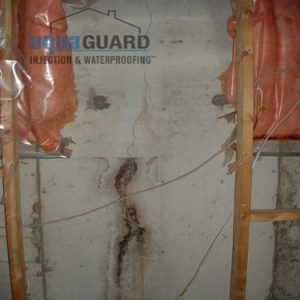
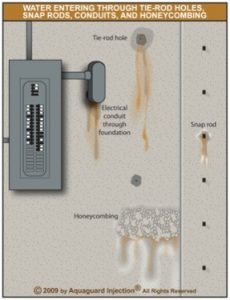
Leaking Tie-rod Holes in Poured Concrete Foundations
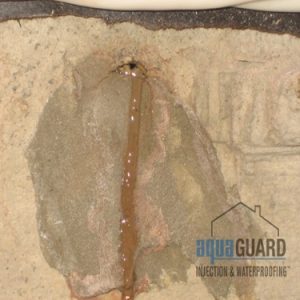
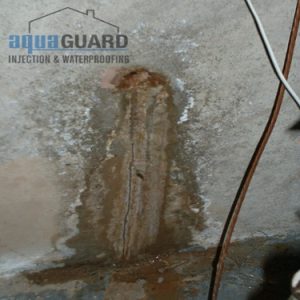
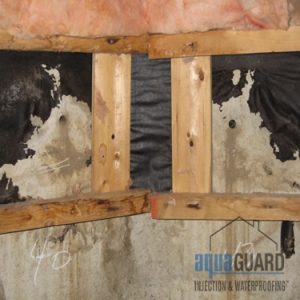
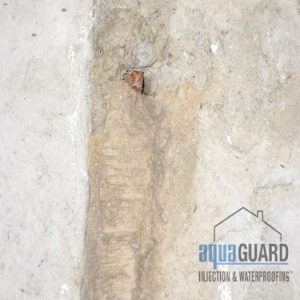
Corroded Snap Rods in Poured Concrete Foundations
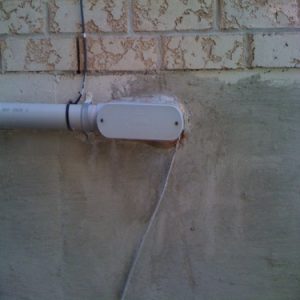
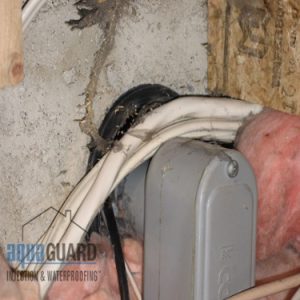
Leaks from penetrations through the foundation to accommodate a conduit to the electrical panel and/or air conditioning and gas lines
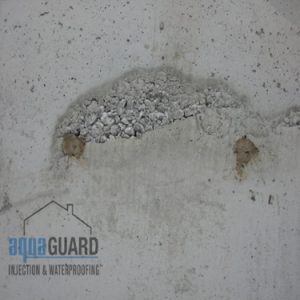
Honeycombing in Poured Concrete Foundations
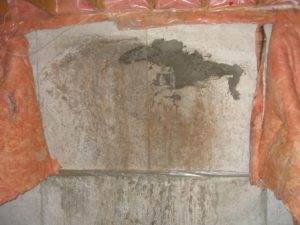
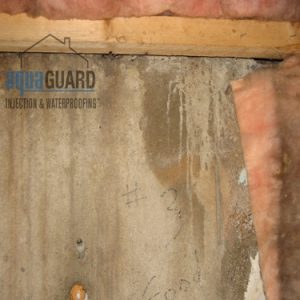
Water Leaking From The Top of The Basement Wall
Learn more about building envelope water leaks and what you can do to avoid them.
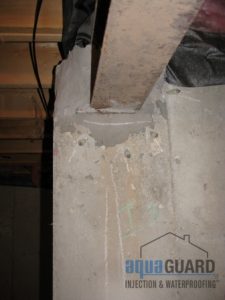
Water Leaking From an I-beam Pocket
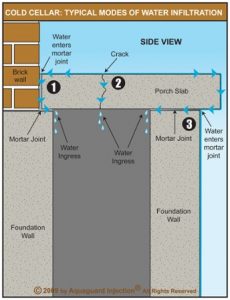
Water Leaking From The Top of Cold Cellar Walls
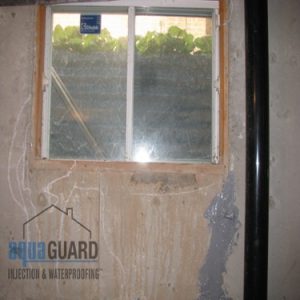
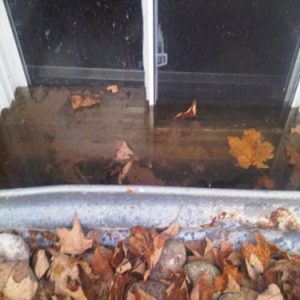
Water Entering The Basement Below The Window Frame, or Through The Window
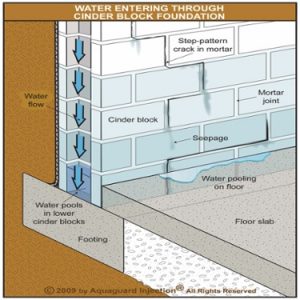
Concrete Block / Cinder Block Foundation Leaks
If you are unfamiliar with leaks in concrete block foundations we encourage you to read our blog article on the fundamentals of block foundation leaks and repairs.
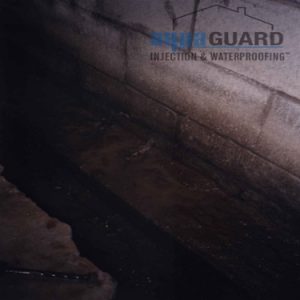
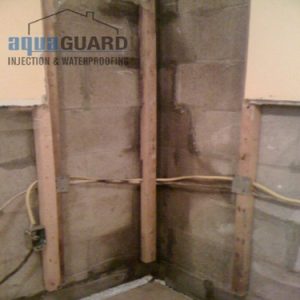
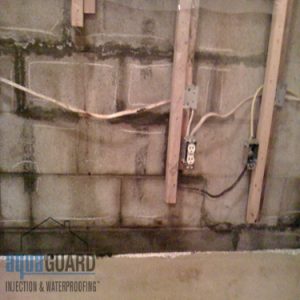
Condensation Dripping Down The Foundation Wall From Behind The Insulation
This is typically seen in homes which are less than 5 years old or when there is warm and moist air in the basement which comes into contact with the cold foundation walls behind the insulation.
For more on this subject be sure to read the article: Why is there water inside the plastic of my basement insulation
Less Common Sources of Basement Leaks On occasion, water will originate from one or more of the following sources:
a. Plumbing leaks
b. Water leaking from inside the fireplace or hot water tank chimney
c. Water leaking from the roof to the basement behind the walls along the wood framing. This typically results from detached roof flashing around the chimney or from water backing up from clogged or ice-filled eavestroughs
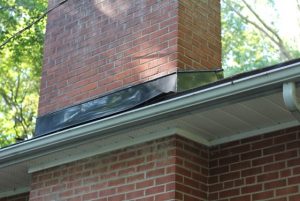
d. Condensation dripping from very cold ducting or very cold water pipes in a high humidity environment
e. An overflowing liner of an inoperative sump pump
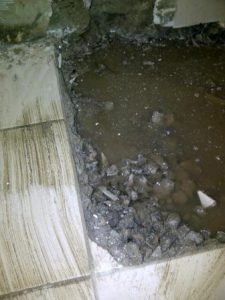
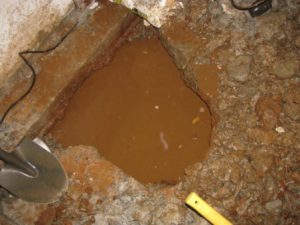
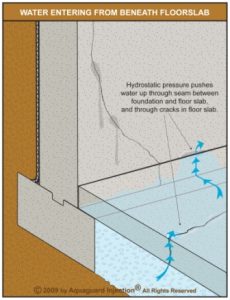
f. Water flooding the basement from beneath the floor slab
g. Water entering the basement from the floor drain due to back pressure from the storm sewer on the street
h. Water leaking from a chimney cleanout
Homeowner Tip: Given the many potential sources of a leaking basement it is clearly necessary to positively identify the source of a leak in order to determine which type of repair is required. A truly professional waterproofing contractor will spend the necessary time to locate the source of the leak and explain how the proposed repair solution is best from both technical and cost perspectives; our Basement Waterproofing Repair Methods page provides a table detailing the available professional foundation repair methods to address wet basement issues. You may also want to have a look at our article on basement leak repair. Unfortunately, we have met many unhappy homeowners who either paid far more than was necessary to fix a basement leak or who have had their foundations excavated only to discover, thousands of dollars later, that the actual cause of the leak was not properly identified and therefore, not addressed.
If a waterproofing contractor has not conclusively proven to you how water has entered your basement, and then suggests that exterior excavation and waterproofing will correct the problem, we suggest that you hire a more professional company. Call us and we’ll ensure that you get a correct diagnosis for the water in your basement.